
Overactive Bladder After Baby — Causes and How Pelvic PT Can Help
Constantly running to the bathroom after having a baby? You're not alone. Here's what's actually going on — and why pelvic floor PT might be exactly what you need.
Okay real talk — if you've had a baby and now feel like your bladder is basically running your life, you are not imagining it and you are absolutely not alone. The constant urge to pee, the rushing to the bathroom the second you walk in the door, the waking up multiple times a night — it's exhausting, it's annoying, and nobody warned you about this part.
So what actually is an overactive bladder?
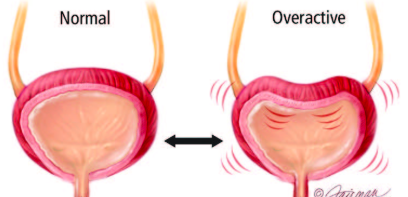
Overactive bladder (OAB) is when your bladder sends urgent, frequent signals to pee even when it's not actually full. It's not just about leaking — a lot of people have OAB with no leakage at all, just that overwhelming urge that feels impossible to ignore. Postpartum, this is incredibly common and it makes total sense when you think about everything your bladder just went through.
Why does this happen after baby?
Your bladder, urethra, and pelvic floor all share very close quarters — and during pregnancy and birth, everything in that neighborhood got stretched, compressed, and generally put through it.
Here's what can trigger OAB postpartum:
Pelvic floor muscle weakness or tension — both can mess with bladder control
Nerve changes from labor and delivery — sometimes nerves need time to recalibrate
Hormonal shifts — especially if you're breastfeeding, lower estrogen can affect bladder and urethral tissue
Scar tissue from tearing or episiotomy
Habitual bathroom trips — yes, if you started peeing "just in case" during pregnancy, your bladder may have learned to expect it
The "just in case" pee is a trap
This one is a big one.
During pregnancy you basically lived in the bathroom, right? So it made total sense to pee before every car ride, every errand, every everything. But postpartum, that habit can actually train your bladder to expect to be emptied more frequently than it needs to be. Now your bladder is basically throwing a tantrum every hour because that's what it's gotten used to. Pelvic PT can help you unlearn this.
How pelvic floor PT actually helps
A pelvic floor PT isn't just going to tell you to do kegels and send you home. Here's what real treatment looks like:
Bladder retraining — gradually teaching your bladder to hold more and panic less
Identifying whether your pelvic floor is too tight, too weak, or both
Manual therapy to release tension if that's part of the issue
Urge suppression techniques — actual strategies for calming that "I have to go NOW" feeling
Looking at lifestyle factors like fluid intake, caffeine, and bladder irritants
The goal is not just managing symptoms.
It's actually fixing what's causing them.
You don't have to live like this.
Overactive bladder postpartum is common. It is not permanent and it is not something you just have to accept as your new normal.
If you're local to the Tampa area and ready to stop planning your life around bathroom access, I'd love to help.
You can book a session through the link below — let's figure out what's actually going on and get you back to feeling like yourself. 🤍